Atlanta Donation Guide: Where to Donate Furniture, Appliances & More
If you’re wondering where to donate furniture, clothing, appliances, books, electronics, or household items in Atlanta, you’ve come to the right place. This complete Atlanta Donation Guide highlights trusted local charities, donation centers, and recycling resources to help you give usable items a second life while reducing landfill waste. Whether you’re moving, downsizing, renovating, or cleaning out an estate, this guide will help you find the best donation options throughout Metro Atlanta.
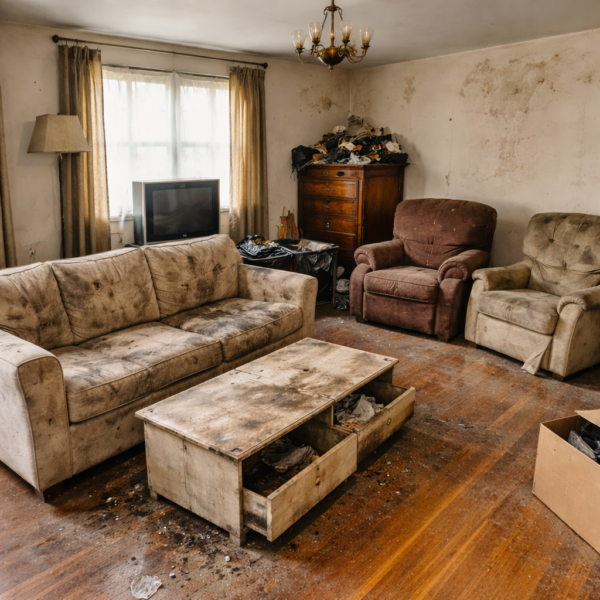
Where to Donate Household Items in Atlanta GA
Whether you’re moving, downsizing, cleaning out an estate, renovating your home, or simply decluttering, donating usable items is one of the best ways to reduce waste while helping others in your community.
Every year, Atlanta residents donate furniture, clothing, appliances, books, electronics, toys, and household goods to local charities, nonprofit organizations, thrift stores, and reuse centers instead of sending those items to a landfill.
The challenge isn’t always deciding whether to donate. The challenge is knowing where to donate your unwanted items in Atlanta.
Some organizations accept furniture but won’t take large appliances. Others specialize in clothing, books, baby supplies, or household goods. Certain charities offer donation pickup, while others only accept items at designated drop-off locations.
Building materials, electronics, mattresses, and hazardous materials often require separate donation, recycling, or disposal options.
That’s why Green Guys Junk Removal created this Atlanta Donation Guide.
This guide helps Atlanta homeowners, renters, landlords, property managers, businesses, and real estate professionals find organizations that may accept unwanted items throughout Metro Atlanta.
Whether you’re clearing out one room or an entire property, this resource can help you identify donation opportunities before choosing disposal.
When an item is still clean, safe, and usable, donating it may allow another person or family to benefit from it.
When an item cannot be donated, recycling or professional junk removal may be the most practical next step.
Important: Donation policies, accepted items, pickup availability, service areas, fees, and operating hours can change. Always contact an organization or review its current donation guidelines before transporting large items or scheduling a pickup.
Quick Atlanta Donation Guide
Use this quick reference to identify a good starting point for different types of donations.
| Item | Where to Start |
|---|---|
| Furniture | Furniture Bank of Metro Atlanta or Atlanta Habitat ReStore |
| Clothing and shoes | Goodwill of North Georgia or Atlanta Mission |
| Books | Books For Africa, Goodwill, or Atlanta Mission |
| Large appliances | Atlanta Habitat ReStore |
| Small appliances | Goodwill of North Georgia or Atlanta Mission |
| Building materials | Lifecycle Building Center or Atlanta Habitat ReStore |
| Electronics | CHaRM Atlanta or an organization accepting working electronics |
| Baby items | Helping Mamas |
| Toys | Goodwill or Helping Mamas |
| Household goods | Goodwill or Atlanta Mission |
| Food | Atlanta Community Food Bank or a local food pantry |
| Mattresses | Check current Furniture Bank guidelines or recycling options |
| Unusable bulky items | Green Guys Junk Removal |
This table is only a starting point. Acceptance depends on each item’s condition and the organization’s current needs.
An organization may accept one type of sofa but reject another because of its size, condition, material, or available storage space.
Call ahead before transporting furniture, appliances, mattresses, or other bulky items.
Where to Donate Furniture in Atlanta
Furniture is one of the most commonly donated categories during moves, estate cleanouts, downsizing projects, apartment turnovers, and home renovations.
A gently used dining table, sofa, dresser, bed frame, or set of chairs can make a meaningful difference for a person or family furnishing a new home.
However, furniture is also one of the most commonly rejected types of donations.
Furniture requires considerable warehouse space, labor, transportation, and handling. Most charities need pieces that can be placed in another home or sold without extensive repairs or professional cleaning.
Before trying to donate furniture, inspect it carefully.
Ask the following questions:
- Is the furniture structurally sound?
- Is it clean enough for someone else to use?
- Are the drawers, doors, and moving parts functional?
- Does it have strong smoke, mildew, or pet odors?
- Is the upholstery torn or heavily stained?
- Are any cushions, shelves, legs, or hardware missing?
- Is there evidence of mold, water damage, or insects?
- Would you feel comfortable giving the item to a friend or family member?
When an item is clean, functional, and in good condition, donation may be an excellent option.
When it is broken, contaminated, heavily damaged, or unsafe, recycling or professional furniture removal may be more appropriate.
Furniture Bank of Metro Atlanta
The Furniture Bank of Metro Atlanta is one of the most relevant organizations to consider when donating usable household furniture.
The organization helps provide furniture to individuals and families who may otherwise move into empty homes.
Recipients may include people transitioning out of homelessness, individuals recovering from difficult circumstances, and families establishing stable housing.
Depending on its current guidelines, the Furniture Bank may accept items such as:
- Sofas
- Loveseats
- Dining tables
- Dining chairs
- Coffee tables
- End tables
- Dressers
- Nightstands
- Bed frames
- Lamps
- Other basic household furniture
The Furniture Bank may also provide donation pickup within qualifying parts of Metro Atlanta.
Pickup availability can depend on the donor’s location, the number of items, the condition of the furniture, and the organization’s schedule.
Not every piece of furniture will qualify.
Certain oversized, specialized, damaged, or difficult-to-move items may be excluded. Always review the organization’s current accepted-items list before scheduling a pickup or transporting furniture.
Atlanta Habitat for Humanity ReStore
Atlanta Habitat for Humanity ReStore is another strong option for donating qualifying furniture and home-related items.
Habitat ReStores sell donated merchandise to the public. Revenue from those sales helps support Habitat for Humanity’s affordable-housing mission.
Depending on current policies, furniture donations may include:
- Dining room furniture
- Bedroom furniture
- Living room furniture
- Accent tables
- Bookshelves
- Patio furniture
- Desks
- Office chairs
- Cabinets
- Other usable home furnishings
Furniture should generally be clean, functional, complete, and suitable for resale.
Items with severe stains, broken parts, significant odors, missing components, or extensive damage may not be accepted.
Atlanta Habitat ReStore may offer pickup options for qualifying donations. Requirements may depend on the number, size, location, and condition of the items.
Contact the organization in advance when donating several large pieces.
Atlanta Mission
Atlanta Mission’s thrift operations may accept certain types of gently used furniture and household goods.
Revenue generated through thrift-store sales supports Atlanta Mission’s programs for individuals experiencing homelessness and other hardships.
Furniture accepted at a particular time may include:
- Chairs
- Sofas
- Tables
- Dressers
- Bookshelves
- Bedroom furniture
- Small household furniture
Acceptance can change depending on warehouse capacity, store inventory, current needs, and the condition of each piece.
Before transporting large furniture, contact Atlanta Mission or check its current donation guidelines.
Can You Donate a Couch in Atlanta?
A couch can often be donated when it is clean, structurally sound, and free from major damage.
Before scheduling a sofa donation, inspect:
- The frame
- Springs
- Cushions
- Upholstery
- Reclining mechanisms
- Sleeper mechanisms
- Legs and supports
- Pet damage
- Smoke odors
- Water damage
- Stains
- Tears
- Evidence of pests
A couch that looks acceptable from the front may still have structural damage underneath.
Test the sofa before offering it for donation. Sit on each section, inspect the frame, and confirm that reclining or sleeper mechanisms operate safely.
Sleeper sofas may be more difficult to donate because they are exceptionally heavy and require additional handling.
A charity may also reject a couch when it is oversized, outdated, heavily worn, or difficult to transport.
If the sofa is unsuitable for donation, Green Guys Junk Removal can help with furniture removal in Atlanta.
What Furniture Cannot Be Donated?
Donation organizations commonly reject furniture that is unsafe, contaminated, incomplete, or too damaged for another person to use.
Furniture that may not qualify includes:
- Broken furniture
- Collapsed sofas
- Furniture with missing legs
- Furniture with missing cushions
- Water-damaged furniture
- Moldy furniture
- Furniture with bedbugs or other pests
- Smoke-damaged furniture
- Furniture with strong pet odors
- Severely stained upholstery
- Torn or exposed cushioning
- Broken recliners
- Damaged particleboard furniture
- Incomplete bed frames
- Extremely large office furniture
- Furniture requiring major repairs
Do not leave rejected items outside a nonprofit, thrift store, or donation center after business hours.
Leaving unwanted furniture without permission is not a donation. It may be considered illegal dumping and can force the organization to pay removal and disposal costs.
When furniture cannot be donated, look for recycling options or arrange professional furniture removal.
Where to Donate Appliances in Atlanta
Replacing an old refrigerator, washing machine, dryer, dishwasher, microwave, or stove often leaves homeowners wondering what to do with the previous appliance.
Some working appliances can be donated. Others are better suited for recycling.
The first step is determining whether the appliance remains safe, functional, clean, and useful.
Organizations are generally more interested in appliances that:
- Work correctly
- Are reasonably energy efficient
- Are clean inside and outside
- Include necessary shelves, cords, hoses, and accessories
- Have no major safety problems
- Have no significant rust or structural damage
- Can be safely transported
- Meet the organization’s age and size requirements
An appliance may still operate but be unsuitable for donation because of its age, energy use, missing parts, excessive weight, or poor physical condition.
Atlanta Habitat ReStore
Atlanta Habitat ReStore is one of the primary Atlanta-area options to check for qualifying appliance donations.
Depending on its current guidelines, accepted appliances may include:
- Refrigerators
- Freezers
- Washing machines
- Dryers
- Dishwashers
- Ovens
- Ranges
- Cooktops
- Microwaves
Acceptance may depend on:
- Age
- Weight
- Condition
- Cleanliness
- Brand
- Functionality
- Energy efficiency
- Resale potential
Before loading an appliance, confirm that it meets the ReStore’s current requirements.
Provide accurate information about its age and condition when requesting pickup.
If possible, locate the model number and manufacturing date. This information is usually found on a label inside the door, along the back, or near the appliance’s electrical information.
Donating Small Appliances
Small appliances are generally easier to donate because they require less storage space and are easier to transport.
Organizations such as Goodwill of North Georgia and Atlanta Mission may accept qualifying small appliances.
Examples may include:
- Coffee makers
- Blenders
- Toasters
- Air fryers
- Slow cookers
- Mixers
- Rice cookers
- Electric kettles
- Fans
- Vacuum cleaners
- Food processors
- Countertop ovens
Before donating a small appliance:
- Test it to confirm that it works.
- Clean the appliance thoroughly.
- Remove crumbs, grease, dust, and food residue.
- Wrap the electrical cord neatly.
- Include removable accessories.
- Keep instruction manuals with the appliance when available.
- Make sure there are no exposed wires or electrical hazards.
Do not donate a broken appliance simply because it looks clean.
Testing the item first prevents the receiving organization from having to dispose of it later.
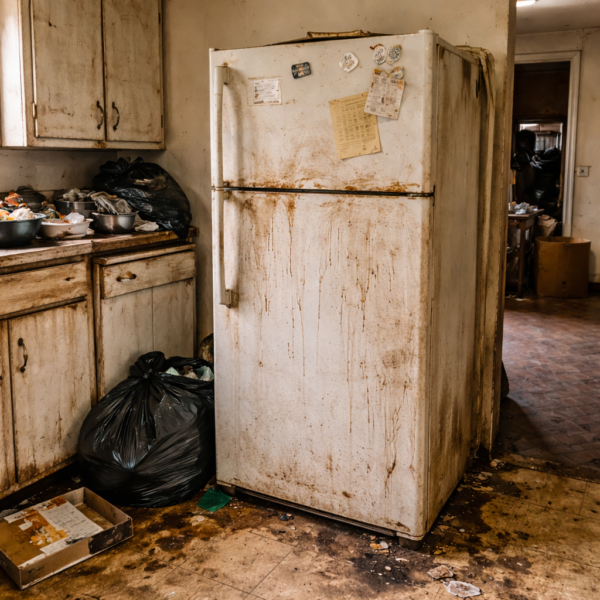
Can You Donate a Refrigerator in Atlanta?
A working refrigerator may qualify for donation if it meets an organization’s current age, weight, cleanliness, and condition requirements.
Before offering a refrigerator for donation:
- Remove all food.
- Defrost the freezer.
- Clean the interior.
- Wipe down shelves and drawers.
- Remove odors.
- Confirm that it cools correctly.
- Check that the doors seal properly.
- Make sure shelves and drawers are included.
- Provide the model number and approximate age.
- Explain whether stairs are involved.
Never transport a refrigerator containing food, standing water, mold, or strong odors.
Keep the refrigerator upright during transportation whenever possible.
Because refrigerators are heavy and may contain refrigerants requiring proper handling, professional appliance removal may be safer than moving one without the right equipment.
Appliances That Usually Cannot Be Donated
Organizations commonly reject appliances that:
- No longer work
- Leak water
- Leak refrigerant
- Have broken doors
- Have cracked interiors
- Have missing shelves or components
- Pose electrical hazards
- Show severe rust
- Contain mold
- Have strong odors
- Are excessively old
- Are too heavy for the organization’s equipment
- Have been recalled
- Require major repairs
A broken appliance should not be dropped off at a charity without permission.
When an appliance has reached the end of its useful life, recycling may be more responsible than donation.
Green Guys Junk Removal can remove refrigerators, washers, dryers, stoves, dishwashers, and other unwanted appliances from Atlanta-area homes and businesses, helping customers avoid the difficulty and risk of moving heavy equipment themselves.
Where to Donate Clothing and Shoes in Atlanta
Clothing and shoes are among the easiest items to donate in Atlanta because many nonprofit organizations, thrift stores, shelters, and community programs accept them.
However, donating clothing responsibly means more than placing unwanted items into a trash bag.
Donation centers need clothing that is clean, dry, wearable, and appropriate for another person to use. Torn, moldy, wet, or heavily stained clothing may create additional sorting and disposal costs for the receiving organization.
Before donating clothing, ask:
- Is it clean?
- Is it dry?
- Is it free from mold and mildew?
- Are the zippers and buttons functional?
- Are there major stains, tears, or odors?
- Would another person realistically wear it?
When possible, wash clothing before donating it and place it in manageable bags or boxes.
Goodwill of North Georgia
Goodwill of North Georgia is one of the most convenient places to donate clothing and shoes throughout Metro Atlanta.
Its donation centers may accept items such as:
- Shirts
- Pants
- Jeans
- Dresses
- Jackets
- Coats
- Sweaters
- Shoes
- Boots
- Handbags
- Belts
- Hats
- Jewelry
- Accessories
- Linens
- Towels
- Blankets
Acceptance may vary by location, so review Goodwill of North Georgia’s current donation guidelines before bringing unusually large quantities or specialty items.
When donating shoes, tie or fasten matching pairs together so they do not become separated during sorting.
Do not place loose shoes into oversized bags with unrelated household items.
Atlanta Mission
Atlanta Mission may also accept clothing through its thrift operations and community-support programs.
Revenue from donated items can help support services for people experiencing homelessness and other difficult circumstances.
Depending on current needs, useful clothing donations may include:
- Everyday shirts
- Pants
- Undergarments
- Socks
- Coats
- Work clothing
- Shoes
- Seasonal clothing
- Professional clothing
Some organizations maintain an urgent-needs list that changes throughout the year.
For example, coats and blankets may be especially useful during colder months, while lightweight clothing and bottled water may be more urgently needed during summer.
Check current needs before donating when you want your contribution to have the greatest immediate impact.
Donating Professional Clothing
Professional clothing may be especially useful for individuals preparing for job interviews or entering the workforce.
Potentially useful items include:
- Suits
- Dress shirts
- Blouses
- Dress pants
- Skirts
- Ties
- Belts
- Professional shoes
- Handbags
- Briefcases
Professional clothing should be clean, current, and in wearable condition.
Outdated or badly damaged business clothing may not be useful simply because it was once expensive.
Specialized career-support organizations may accept professional clothing, but many operate by appointment or accept only specific sizes and categories.
Contact the organization before arriving.
Clothing That Should Not Be Donated
Do not donate clothing that is:
- Wet
- Moldy
- Infested
- Heavily stained
- Contaminated
- Torn beyond reasonable use
- Strongly affected by smoke
- Covered in pet hair or urine
- Missing essential closures
- Unsafe to wear
Textile recycling may be an option for worn clothing that is clean but no longer wearable.
Do not assume every donation center recycles textiles. Confirm before dropping off damaged clothing.
Where to Donate Baby Items in Atlanta
Babies and young children quickly outgrow clothing, toys, strollers, high chairs, and other equipment.
Many of these items may still have useful life remaining, but baby products require greater caution than ordinary household donations.
Safety standards, recalls, expiration dates, and sanitation concerns can determine whether an organization accepts a particular item.
Never assume a baby product is donation-worthy simply because it appears clean.
Helping Mamas
Helping Mamas is a Metro Atlanta nonprofit focused on providing essential baby and child-related supplies to families through a network of community partners.
Depending on its current guidelines, Helping Mamas may accept new or gently used items such as:
- Baby clothing
- Children’s clothing
- Baby shoes
- Diaper bags
- Strollers
- High chairs
- Baby carriers
- Slings
- Pack-and-plays
- Portable swings
- Books
- Towels
- Washcloths
- Blankets
- Baby toys
Some categories may need to be donated new rather than used.
These may include:
- Diapers
- Wipes
- Bottles
- Pacifiers
- Formula
- Feeding supplies
- Baby hygiene products
- Certain safety-sensitive items
Always check the organization’s current accepted-items list before donating.
Used Car Seats and Cribs
Used car seats are commonly restricted because of expiration dates, recalls, accident history, and safety concerns.
An organization generally cannot verify whether a used car seat has been involved in a crash or stored improperly.
Cribs may also be restricted because safety standards have changed over time.
Items with drop sides, missing hardware, damaged rails, or outdated designs may not qualify.
Before donating a crib or car seat:
- Check the manufacturer and model.
- Locate the date of manufacture.
- Check for recalls.
- Confirm that all hardware is included.
- Review the receiving organization’s current policy.
- Do not donate an expired or damaged safety product.
Baby Mattresses and Bedding
Used crib mattresses may be rejected because of sanitation and safety concerns.
Bedding acceptance may depend on condition and whether the item can be washed.
Wash and dry all accepted linens before donation.
Avoid donating:
- Stained crib mattresses
- Torn mattress covers
- Moldy bedding
- Pillows with strong odors
- Bedding affected by pests
- Incomplete sleep products
When a baby item cannot be donated, look for an appropriate recycling or disposal option rather than leaving it at a nonprofit location.
Where to Donate Books in Atlanta
Books frequently accumulate during moves, estate cleanouts, office cleanouts, and home organization projects.
Many books can be donated, but condition and subject matter matter.
A clean children’s book, recent textbook, or popular novel may be useful. A moldy encyclopedia set or water-damaged manual may not be.
Before donating books, inspect them for:
- Mold
- Water damage
- Missing pages
- Broken bindings
- Pest damage
- Strong odors
- Excessive writing
- Outdated information
Books For Africa
Books For Africa is an organization that collects educational materials for distribution to schools and communities in African countries.
The organization operates a Georgia warehouse in Marietta and may accept appropriate book donations.
Potentially useful categories can include:
- Children’s books
- Textbooks
- Reference books
- Educational materials
- College-level books
- Professional books
- Dictionaries
- Encyclopedias that meet current requirements
Not every book is suitable for international educational use.
Outdated textbooks, damaged materials, and highly specialized books may not qualify.
Contact the organization before bringing a large collection.
Goodwill and Atlanta Mission
General thrift organizations such as Goodwill of North Georgia and Atlanta Mission may accept books in saleable condition.
Commonly donated categories include:
- Fiction
- Nonfiction
- Cookbooks
- Children’s books
- Biographies
- Self-help books
- Art books
- Religious books
- Reference materials
Pack books in small, sturdy boxes rather than oversized containers.
Books are heavier than they appear. A very large box can become unsafe to lift and may break during transportation.
Schools, Libraries, and Community Programs
Schools, libraries, churches, literacy programs, and community centers may occasionally accept book donations.
However, many organizations have limited storage and cannot accept every collection.
Before delivering books, ask:
- What subjects are needed?
- Are there age-level restrictions?
- Are textbooks accepted?
- Are encyclopedias accepted?
- Is an appointment required?
- Is there a quantity limit?
Do not leave books outside a library or school without permission.
Books That Should Not Be Donated
Books may not be suitable for donation when they are:
- Moldy
- Wet
- Water damaged
- Missing pages
- Heavily torn
- Infested
- Strongly affected by smoke
- Covered in excessive markings
- Extremely outdated
- Missing essential companion materials
Damaged books may sometimes be recyclable, depending on the binding, cover material, and local recycling requirements.
Where to Donate Toys in Atlanta
Donating toys can help families while keeping usable items out of the landfill.
Toys should be clean, complete, safe, and appropriate for another child to use.
Before donating a toy:
- Clean the surface.
- Confirm that it works.
- Replace or remove leaking batteries.
- Include important pieces.
- Check for sharp edges.
- Look for broken parts.
- Check for recalls when appropriate.
- Remove personal information.
Goodwill of North Georgia
Goodwill of North Georgia may accept a variety of toys and games in usable condition.
Potential donations include:
- Board games
- Puzzles
- Dolls
- Action figures
- Building sets
- Toy vehicles
- Educational toys
- Outdoor toys
- Sports equipment
- Children’s books
Keep small pieces together in a sealed bag or original container.
A puzzle with missing pieces or a game without essential components may not be useful.
Helping Mamas
Helping Mamas may accept certain baby and children’s toys according to its current donation guidelines.
Acceptance may depend on:
- Age range
- Cleanliness
- Condition
- Safety
- Size
- Current needs
- Whether the item must be new
Always verify before donating large toys, stuffed animals, or battery-operated products.
Seasonal Toy Drives
Churches, schools, fire departments, community groups, and nonprofit organizations may organize seasonal toy drives, particularly near the holidays.
Many holiday programs request new, unopened toys rather than used items.
Read the specific requirements before donating.
A used toy that is appropriate for a thrift store may not qualify for a holiday gift program.
Toys That Should Not Be Donated
Avoid donating toys that are:
- Broken
- Recalled
- Missing essential pieces
- Covered in mold
- Infested
- Unsafe
- Sharply damaged
- Heavily stained
- Impossible to clean
- Missing battery covers
- Exposing wires
- Age-inappropriate for the receiving program
Stuffed-animal policies vary widely because fabric toys can be difficult to sanitize.
Confirm before donating them.
Where to Donate Household Goods in Atlanta
Household goods include many everyday items found in kitchens, bedrooms, bathrooms, closets, and living spaces.
These items are frequently accepted by thrift organizations when they are clean, complete, and functional.
Potential household donations include:
- Dishes
- Glassware
- Pots
- Pans
- Utensils
- Lamps
- Rugs
- Curtains
- Towels
- Linens
- Storage containers
- Decorative items
- Picture frames
- Clocks
- Small furniture
- Small appliances
Goodwill of North Georgia
Goodwill of North Georgia may accept many common household items through its donation centers.
Before donating kitchenware:
- Wash all dishes and cookware.
- Remove grease and food residue.
- Wrap fragile items.
- Place sharp utensils in secure containers.
- Keep sets together.
- Clearly label boxes containing glass.
Do not place broken glass or loose knives in donation bags.
Atlanta Mission
Atlanta Mission may also accept household goods through its thrift operations.
Useful items may include:
- Kitchen supplies
- Lamps
- Linens
- Small furniture
- Decorative items
- Books
- Small appliances
- Other usable household necessities
Acceptance depends on current needs, condition, and available storage space.
How to Pack Household Donations
Organized donations are easier to transport, inspect, and distribute.
Use separate boxes for:
- Kitchenware
- Linens
- Books
- Toys
- Electronics
- Decorative items
- Small appliances
Label fragile boxes clearly.
Avoid overfilling containers. A box that is too heavy can injure volunteers, employees, or drivers.
Household Items That May Be Rejected
Donation centers may reject:
- Broken dishes
- Cracked glassware
- Stained linens
- Moldy fabrics
- Incomplete appliances
- Used personal-care products
- Open chemicals
- Damaged rugs
- Unsafe electrical items
- Strongly odorous items
- Pest-contaminated belongings
When in doubt, call the organization before loading your vehicle.
Where to Donate Office Furniture in Atlanta
Office cleanouts can produce desks, chairs, filing cabinets, conference tables, shelving, electronics, and other business equipment.
Some office furniture may be useful to nonprofits, small businesses, schools, churches, or community organizations.
However, commercial furniture is often harder to donate than residential furniture because it can be oversized, extremely heavy, or difficult to disassemble.
Office Furniture That May Be Donated
Potentially reusable office items include:
- Office chairs
- Small desks
- Bookshelves
- Filing cabinets
- Conference chairs
- Small tables
- Reception furniture
- Storage cabinets
- Whiteboards
- Shelving
- Break-room furniture
Modern, matching office furniture may be easier to place than outdated or heavily worn items.
Contact Organizations Before a Large Office Donation
Do not transport an entire office’s contents without confirming acceptance.
For a large donation, provide:
- Photos
- Quantities
- Dimensions
- Brand information
- Condition details
- Pickup address
- Floor level
- Elevator availability
- Loading-dock information
- Required removal date
A nonprofit may be interested in 20 matching office chairs but unable to accept a single oversized executive desk.
Advance communication prevents wasted labor and transportation.
Office Furniture That Is Difficult to Donate
The following items may be harder to place:
- Large executive desks
- Old cubicle systems
- Oversized conference tables
- Damaged particleboard desks
- Broken office chairs
- Large lateral filing systems
- Furniture with missing hardware
- Custom-built reception desks
- Heavily worn commercial seating
Cubicles are especially difficult because they may require professional disassembly, specialized hardware, and detailed reinstallation.
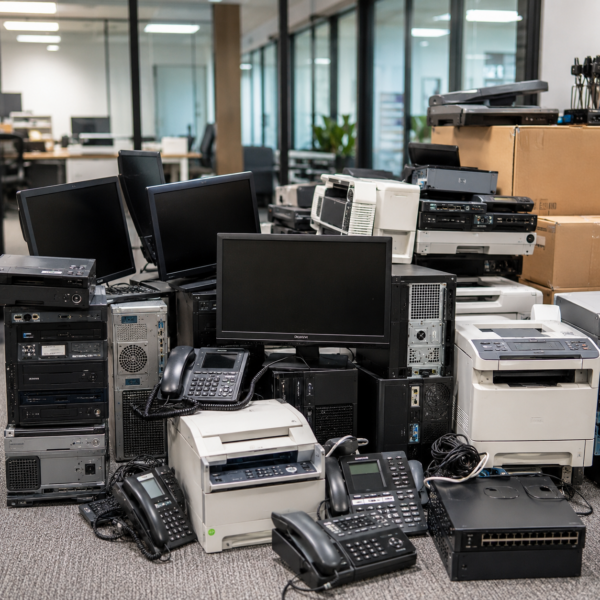
Donating Office Electronics
Working office electronics may include:
- Computer monitors
- Printers
- Scanners
- Phones
- Projectors
- Keyboards
- Computer accessories
- Small televisions
Before donating office electronics, remove confidential business data.
Factory-reset devices when appropriate and securely erase hard drives.
Never donate computers, printers, or storage devices containing customer records, employee information, financial data, medical information, or login credentials.
Broken electronics may require specialized recycling rather than donation.
When Office Junk Removal Is the Better Option
Professional office cleanout services may be more practical when:
- The office has a firm move-out deadline.
- Furniture is broken or outdated.
- Large quantities must be removed.
- Elevators or loading docks must be coordinated.
- Cubicles require disassembly.
- Items are too heavy for employees.
- Donation organizations cannot accept everything.
- Trash and reusable items are mixed together.
Green Guys Junk Removal can remove desks, chairs, shelving, filing cabinets, office equipment, and other unwanted items from Atlanta-area commercial properties.
During a large office cleanout, usable items may be separated from materials requiring recycling or disposal whenever practical.
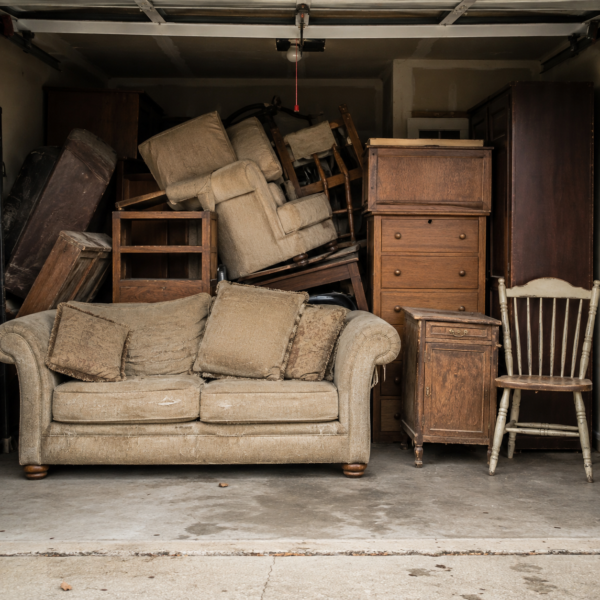
Where to Donate Building Materials in Atlanta
Home renovations, remodeling projects, commercial buildouts, and property cleanouts can generate large amounts of reusable building material.
Cabinets, doors, sinks, lighting fixtures, flooring, hardware, and architectural elements may still have significant value even when they no longer fit your project.
Donating reusable materials can reduce disposal costs, conserve resources, and keep bulky construction items out of Atlanta-area landfills.
However, building-material donations require planning.
An organization may accept complete kitchen cabinets but reject damaged particleboard. It may take reusable doors but not broken frames. It may accept unopened flooring but refuse loose, contaminated, or incomplete materials.
Before beginning demolition, identify anything that may be suitable for reuse.
Once cabinets, fixtures, decks, and other materials have been smashed or damaged during removal, they are much less likely to qualify for donation.
Lifecycle Building Center
Lifecycle Building Center is an Atlanta nonprofit focused on building-material reuse.
Its reuse center may accept qualifying new and gently used construction, renovation, and architectural materials.
Potentially accepted materials may include:
- Kitchen cabinets
- Bathroom cabinets
- Interior doors
- Exterior doors
- Windows
- Lighting fixtures
- Plumbing fixtures
- Sinks
- Faucets
- Flooring
- Hardware
- Shelving
- Architectural elements
- Unused construction supplies
- Commercial building materials
- Film and production-set materials
Acceptance depends on condition, quantity, current inventory, and whether the materials can be safely reused.
Contact Lifecycle Building Center before bringing large quantities or unusual items.
Provide clear photographs and accurate dimensions when possible.
Deconstruction Instead of Demolition
Traditional demolition focuses on removing materials quickly.
Deconstruction involves carefully taking a structure or interior apart so usable materials can be recovered.
This approach may preserve:
- Cabinets
- Doors
- Trim
- Flooring
- Fixtures
- Hardware
- Shelving
- Architectural details
- Reusable lumber
Deconstruction takes more planning than ordinary demolition, but it can keep valuable materials in circulation.
If you are planning a kitchen remodel, bathroom renovation, office buildout, or major interior project, identify reusable materials before demolition begins.
Do not wait until everything has been broken and placed in a debris pile.
Atlanta Habitat for Humanity ReStore
Atlanta Habitat ReStore may also accept qualifying home-improvement and building materials.
Potential donations may include:
- Cabinets
- Countertops
- Sinks
- Faucets
- Bathtubs
- Doors
- Windows
- Lighting
- Hardware
- Flooring
- Tools
- Landscaping supplies
- Gardening materials
- Home-improvement products
- Architectural items
Materials should generally be clean, complete, reusable, and in good enough condition for resale.
A cabinet set with all doors, drawers, and hardware is more useful than a pile of damaged or incomplete pieces.
How to Prepare Cabinets for Donation
Cabinets are among the most valuable materials that may be recovered during a kitchen or bathroom renovation.
To improve their donation potential:
- Remove cabinets carefully.
- Avoid breaking frames.
- Keep doors and drawers attached when practical.
- Label cabinet locations.
- Save hinges, handles, and mounting hardware.
- Tape loose hardware securely to the cabinet.
- Photograph the complete cabinet set.
- Record measurements.
- Keep matching components together.
Do not leave nails, screws, or sharp metal exposed.
If the cabinets are covered in mold, severe water damage, grease, or pest contamination, they may not qualify.
Building Materials That May Be Rejected
Organizations may reject materials that are:
- Broken
- Rotten
- Moldy
- Water damaged
- Infested
- Contaminated
- Incomplete
- Heavily painted with unknown materials
- Unsafe to handle
- Extremely outdated
- Difficult to reuse
- Mixed with demolition debris
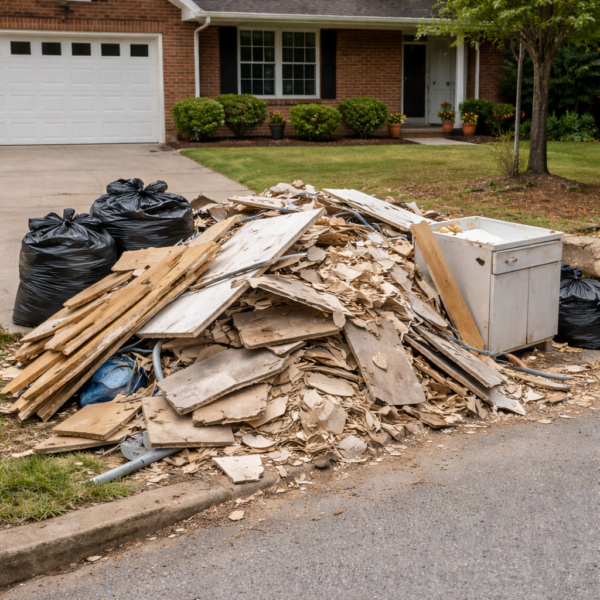
Common construction debris such as broken drywall, rotten lumber, shattered tile, insulation, and loose roofing waste usually does not qualify as a donation.
These materials may require construction-debris removal or specialized disposal.
Where to Donate or Recycle Electronics in Atlanta
Electronics require special attention because working devices may be reusable, while broken devices may contain materials that should not be placed in ordinary household trash.
Computers, televisions, printers, monitors, pianos, cables, hot tub and small electronics may contain metals, plastics, batteries, and other components that can potentially be recovered through proper recycling.
Before deciding what to do with an electronic item, determine whether it still works.
Working devices may be suitable for donation.
Broken, obsolete, or unsafe electronics are generally better candidates for recycling.
Donating Working Electronics
Some thrift organizations may accept certain working electronics in clean, usable condition.
Potential donations may include:
- Flat-screen televisions
- Computer monitors
- Radios
- Speakers
- Printers
- Scanners
- Keyboards
- Computer accessories
- DVD or Blu-ray players
- Small household electronics
- Gaming systems
Acceptance can vary significantly.
An organization may accept a modern flat-screen television but reject an older projection television or broken computer monitor.
Always check current guidelines before transporting electronics.
Protect Your Personal Information
Before donating or recycling a computer, phone, tablet, printer, or storage device, remove all personal and business data.
This may include:
- Saved passwords
- Tax records
- Customer information
- Employee records
- Photographs
- Email accounts
- Financial documents
- Medical information
- Browsing history
- Cloud-storage access
- Login credentials
Perform a proper factory reset when appropriate.
For computers and external drives, simple file deletion may not be enough. Securely erase the drive or have it professionally destroyed if it contains sensitive information.
Remove SIM cards, memory cards, and accessories you intend to keep.
CHaRM Atlanta
The Center for Hard to Recycle Materials, commonly known as CHaRM, provides an important recycling option for many difficult-to-recycle items in the Atlanta area.
Depending on its current policies, CHaRM may accept electronics such as:
- Televisions
- Computer monitors
- Desktop computers
- Laptops
- Printers
- Small electronics
- Cables
- Accessories
- Other qualifying electronic equipment
Appointments, fees, quantity limits, or residency requirements may apply.
Review the current accepted-materials list before visiting.
Do not assume every electronic item is free to recycle.
Electronics That Should Not Be Donated
Electronics may be unsuitable for donation when they:
- Do not power on
- Have exposed wires
- Have swollen batteries
- Are cracked or severely damaged
- Are missing essential components
- Overheat
- Emit smoke or unusual odors
- Contain damaged screens
- Have been recalled
- Pose an electrical hazard
Devices with swollen lithium batteries require special care.
Do not puncture, crush, or place them in ordinary trash.
Use an appropriate electronics or battery-recycling program.
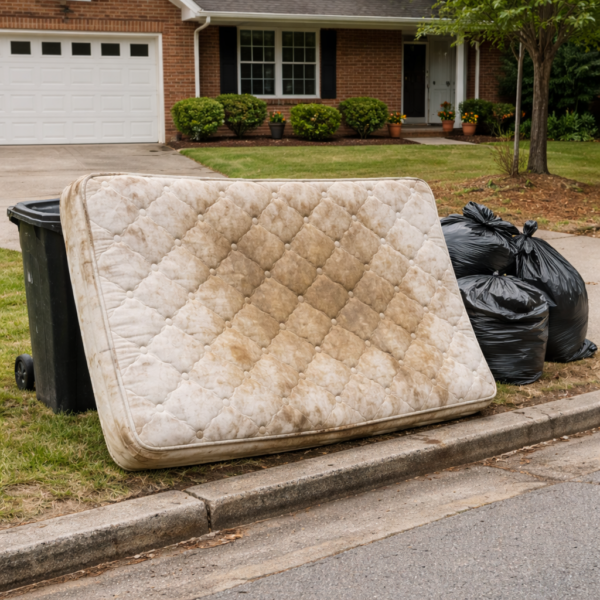
Can You Donate a Mattress in Atlanta?
Mattresses are among the most difficult household items to donate.
Many nonprofit organizations and thrift stores do not accept used mattresses because of sanitation concerns, storage limitations, transportation costs, and the risk of bedbugs or other contamination.
A mattress may look clean but still be rejected because the receiving organization cannot safely inspect or sanitize it.
Check Current Furniture Bank Guidelines
The Furniture Bank of Metro Atlanta may publish specific mattress-acceptance guidelines.
Because those requirements can change, check the organization’s current policy before arranging transportation.
A mattress may need to meet standards related to:
- Size
- Age
- Condition
- Cleanliness
- Stains
- Odors
- Structural support
- Pest exposure
Do not assume that a gently used mattress automatically qualifies.
Mattresses That Should Not Be Donated
Do not attempt to donate a mattress that has:
- Bedbugs
- Fleas or other pests
- Mold
- Water damage
- Severe stains
- Strong odors
- Torn fabric
- Exposed springs
- Sagging support
- Broken framing
- Smoke damage
- Pet contamination
Never leave an unwanted mattress beside a donation center without permission.
The organization may have to pay to remove and dispose of it.
Mattress Recycling
When a mattress cannot be donated, recycling may be an option.
Mattresses contain materials that may potentially be separated and recovered, including:
- Steel springs
- Foam
- Fabric
- Wood
- Fibers
CHaRM may accept qualifying mattresses and box springs for recycling, subject to current fees and guidelines.
Verify requirements before transporting the item.
Mattress Removal in Atlanta
Mattresses are bulky, awkward, and difficult to move through narrow hallways and staircases.
Professional mattress removal may be practical when:
- The mattress cannot be donated.
- You do not have a truck.
- The property has stairs.
- Several mattresses must be removed.
- The item is too heavy to move safely.
- You are working under a move-out deadline.
- A charity or recycler will not provide pickup.
Green Guys Junk Removal can remove unwanted mattresses and box springs from Atlanta-area homes, apartments, rental properties, and commercial buildings.
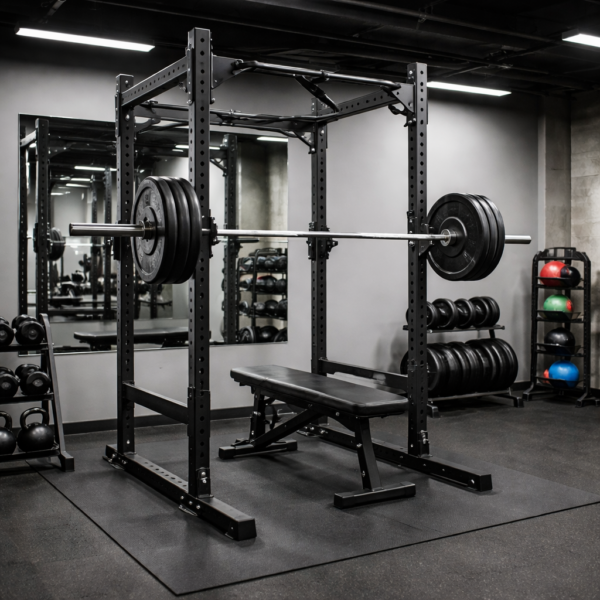
Where to Donate Exercise Equipment in Atlanta
Exercise equipment ranges from lightweight hand weights to treadmills weighing several hundred pounds.
Small sporting goods may be easy to donate, while large machines can be difficult to place.
Before offering exercise equipment to an organization, confirm that it works safely and includes all essential parts.
Small Exercise and Sporting Goods
Potential donations may include:
- Dumbbells
- Kettlebells
- Resistance bands
- Yoga mats
- Exercise balls
- Sports equipment
- Small benches
- Jump ropes
- Protective gear
- Handheld fitness accessories
Goodwill and other thrift organizations may accept certain sporting goods, depending on condition and current policies.
Clean all equipment before donating it.
Remove dirt, sweat residue, tape, and personal labels.
Treadmills, Ellipticals, and Home Gyms
Large exercise machines are much harder to donate.
Examples include:
- Treadmills
- Ellipticals
- Stationary bicycles
- Rowing machines
- Weight benches
- Cable machines
- Home gyms
- Large weight systems
Before contacting a potential recipient, gather:
- Brand
- Model
- Age
- Dimensions
- Weight
- Working condition
- Photographs
- Disassembly requirements
- Stair information
- Pickup deadline
A recipient may decline the equipment because it is too heavy, outdated, damaged, or difficult to transport.
Exercise Equipment That Should Not Be Donated
Avoid donating equipment that:
- Is structurally unstable
- Has broken cables
- Has exposed wiring
- Has missing safety components
- No longer powers on
- Has severe rust
- Has cracked frames
- Cannot be safely assembled
- Is contaminated by mold or pests
Heavy exercise equipment can cause serious injury if moved incorrectly.
Use professional removal assistance when the item exceeds your ability or equipment.
Where to Donate Food in Atlanta
Unopened and unexpired food may help families through local food banks, pantries, shelters, and community organizations.
Food donations require careful attention to expiration dates, packaging, storage, and food-safety rules.
Atlanta Community Food Bank
The Atlanta Community Food Bank works with a large network of nonprofit partners serving Metro Atlanta and North Georgia.
Households, businesses, community groups, and food-industry organizations may have different donation procedures.
Review current instructions before organizing a food drive or delivering a large commercial donation.
Food That May Be Useful
Depending on current needs, useful shelf-stable donations may include:
- Canned vegetables
- Canned fruit
- Canned protein
- Peanut butter
- Pasta
- Rice
- Beans
- Cereal
- Shelf-stable milk
- Cooking oil
- Soups
- Baby food
- Hygiene supplies
Choose items that are sealed, clearly labeled, and within their expiration dates.
Food That Should Not Be Donated
Do not donate food that is:
- Open
- Spoiled
- Leaking
- Moldy
- Improperly stored
- Missing labels
- Severely dented or damaged
- Past the organization’s acceptable date
- Requiring refrigeration without prior approval
- Contaminated by pests
During estate or pantry cleanouts, separate usable food from expired or damaged products.
Do not place questionable food into donation boxes simply to avoid throwing it away.
Items Most Atlanta Charities Will Not Accept
Every organization has its own policies, but certain items are commonly rejected.
Understanding these restrictions can save time and prevent nonprofit organizations from being burdened with disposal costs.
Broken or Unsafe Furniture
Furniture with collapsed frames, exposed nails, broken supports, severe stains, or structural damage is rarely donation-worthy.
Moldy or Water-Damaged Items
Mold can spread to other donations and create health concerns.
Water-damaged furniture, books, clothing, and building materials should not be donated.
Pest-Infested Items
Items exposed to bedbugs, roaches, fleas, rodents, or other infestations must not be delivered to charities.
Open Chemicals and Hazardous Materials
Donation centers generally do not accept:
- Open paint
- Gasoline
- Solvents
- Pesticides
- Automotive fluids
- Pool chemicals
- Cleaning chemicals
- Propane tanks
- Unknown liquids
These materials require appropriate hazardous-waste handling.
Severely Damaged Mattresses
Mattresses with stains, odors, pests, mold, torn fabric, or broken springs are generally unsuitable for donation.
Recalled or Expired Safety Products
Examples may include:
- Expired car seats
- Recalled cribs
- Damaged helmets
- Unsafe baby products
- Recalled electronics
Broken Electronics
Devices with exposed wiring, cracked screens, swollen batteries, or serious electrical problems should be recycled properly rather than donated.
Incomplete Items
Donation centers may reject:
- Furniture missing major pieces
- Games without essential parts
- Appliances without necessary components
- Bed frames missing rails
- Cabinets without doors
- Equipment without safety hardware
Extremely Heavy Specialty Items
Pianos, pool tables, safes, commercial machinery, and oversized furniture may exceed an organization’s transportation or storage capacity.
Ask before arranging delivery.
Donation Versus Junk Removal: How to Decide
Donation and junk removal are not necessarily competing options.
A responsible cleanout may involve several different destinations.
Usable items can be donated, recyclable materials can be separated, and damaged or unusable items can be removed for appropriate disposal.
Choose Donation When the Item Is Usable
Donation may be appropriate when an item is:
- Clean
- Complete
- Safe
- Functional
- Free from pests
- Free from major damage
- Currently accepted
- Realistically useful to another person
Choose Recycling When Materials Can Be Recovered
Recycling may be appropriate for:
- Electronics
- Metals
- Appliances
- Mattresses
- Certain building materials
- Batteries
- Other hard-to-recycle products
Always use an appropriate recycling provider.
Choose Junk Removal When Donation Is Not Practical
Professional junk removal may be the best solution when:
- Items are broken or damaged.
- Donation organizations will not accept them.
- Multiple bulky items must be removed.
- You cannot safely lift or transport them.
- The cleanout has a firm deadline.
- Several disposal destinations would be required.
- Trash and reusable items are mixed together.
- The property must be cleared quickly.
Example of a Responsible Home Cleanout
Imagine you are cleaning out a three-bedroom Atlanta home.
The property contains:
- One usable dining table
- Six matching chairs
- Eight bags of clean clothing
- Four boxes of books
- One broken sofa
- One stained mattress
- One working refrigerator
- Old paint
- Broken shelving
- General household trash
A practical plan might be:
Donate:
- Dining table
- Chairs
- Clothing
- Books
- Working refrigerator, if accepted
Recycle or use specialized disposal:
- Paint
- Mattress, if eligible
- Certain appliance or metal components
Use junk removal:
- Broken sofa
- Broken shelving
- Remaining household trash
This approach keeps usable items in circulation without forcing charities to accept damaged or inappropriate donations.
When Green Guys Junk Removal Can Help
Green Guys Junk Removal can assist Atlanta homeowners, renters, landlords, property managers, and businesses with unwanted items that cannot be donated or are too difficult to transport.
Common removal projects include:
- Furniture removal
- Appliance removal
- Mattress removal
- Garage cleanouts
- Estate cleanouts
- Office cleanouts
- Storage-unit cleanouts
- Rental-property cleanouts
- Basement cleanouts
- Attic cleanouts
- Renovation debris removal
- Exercise-equipment removal
- Other bulky-item removal
When possible, separating donation-worthy items before removal can help streamline the cleanout and reduce unnecessary waste.
How to Prepare Items for Donation
Preparing your belongings before donating them can improve the likelihood that an organization will accept them.
Donation centers often process hundreds or thousands of items. Clean, organized, and clearly packed donations are easier for employees and volunteers to inspect, move, sort, and distribute.
A few minutes of preparation can prevent usable items from being rejected.
Clean Items Before Donating
Furniture, appliances, clothing, toys, dishes, and household goods should be reasonably clean before they are donated.
You do not necessarily need to restore an item to perfect condition, but you should remove:
- Dust
- Dirt
- Food residue
- Grease
- Pet hair
- Cobwebs
- Personal belongings
- Strong odors
- Surface stains when possible
Wash clothing, towels, blankets, and linens before packing them.
Wipe down furniture and vacuum upholstered surfaces.
Clean the inside and outside of small appliances.
Remove food from refrigerators, freezers, microwaves, and cabinets.
Donation organizations should not have to clean excessive dirt, spoiled food, or personal waste from an item before another person can use it.
Test Appliances and Electronics
Do not assume an appliance or electronic device works because it worked the last time you used it.
Test the item before donating it.
Check that:
- It powers on.
- Buttons and controls work.
- Electrical cords are intact.
- Batteries are not leaking or swollen.
- Doors and lids close properly.
- The appliance performs its intended function.
- There are no unusual odors, sparks, or sounds.
Labeling a tested item as “working” may help the receiving organization process it more efficiently.
Do not label something as functional unless you have recently tested it.
Keep Parts and Accessories Together
An item may become unusable when an essential component is missing.
Keep related pieces together, including:
- Furniture hardware
- Remote controls
- Power cords
- Charging cables
- Appliance attachments
- Shelves
- Drawers
- Bed rails
- Table leaves
- Game pieces
- Instruction manuals
- Mounting brackets
- Keys
Place small hardware in a sealed bag and attach it securely to the main item.
Avoid using tape directly on delicate wood, painted surfaces, or upholstery when it could cause damage.
Pack Donations Safely
Use sturdy boxes or reusable containers whenever possible.
Avoid overloading boxes. Books, dishes, tools, and small appliances can become extremely heavy when packed together.
A manageable box is safer for donors, volunteers, employees, and pickup crews.
Use separate containers for:
- Clothing
- Books
- Kitchenware
- Toys
- Electronics
- Linens
- Decorative items
- Small appliances
- Tools
Clearly label fragile items.
Wrap glassware, dishes, and breakable decorations so they do not shatter during transportation.
Secure sharp items so they cannot cut someone handling the box.
Take Photographs of Large Items
Organizations offering pickup may request photographs before agreeing to accept furniture, appliances, office equipment, or building materials.
Take clear photos showing:
- The entire item
- The front
- The back
- The sides
- Any visible damage
- Brand or model information
- Dimensions when relevant
- Stairs, hallways, or access limitations
Accurate photographs allow an organization to determine whether the item fits its current needs and transportation capabilities.
Do not hide damage or photograph only the best angle.
Being honest about condition prevents wasted trips and rejected pickups.
Measure Large Furniture
Measure bulky items before arranging donation or pickup.
Record:
- Width
- Height
- Depth
- Approximate weight
- Doorway width
- Stair width
- Elevator size
- Hallway clearance
A sofa may be in excellent condition but impossible to remove through a narrow doorway without disassembly.
Providing measurements in advance helps the receiving organization plan appropriately.
Separate Personal and Sensitive Items
Before donating furniture, clothing, books, electronics, filing cabinets, or storage containers, check carefully for personal belongings.
Look inside:
- Drawers
- Pockets
- Envelopes
- File folders
- Luggage
- Books
- Cabinets
- Desks
- Nightstands
- Computer bags
- Boxes
- Electronics
Remove:
- Identification documents
- Tax records
- Medical information
- Financial statements
- Photographs
- Keys
- Jewelry
- Cash
- Credit cards
- Prescription medication
- Login information
- Business records
Once an item enters the donation process, recovering personal belongings may be difficult or impossible.
Donation Pickup Services in Atlanta
Donation pickup can be extremely helpful when you have furniture, appliances, building materials, or several boxes of household goods but no suitable vehicle.
However, pickup availability is often limited.
Organizations may restrict pickups by:
- ZIP code
- Item category
- Quantity
- Condition
- Floor level
- Stair access
- Weight
- Scheduling availability
- Distance from the warehouse
- Available truck space
A pickup request is not an automatic guarantee that every item will be accepted.
Schedule Donation Pickup Early
Do not wait until the final day of your lease, closing date, or move-out deadline to request a donation pickup.
Nonprofit organizations may schedule pickups days or weeks in advance.
During busy moving seasons, available appointments may fill quickly.
Start contacting organizations as soon as you know which items you plan to donate.
Early scheduling is especially important for:
- Estate cleanouts
- Apartment move-outs
- Office relocations
- Home sales
- Foreclosures
- Rental turnovers
- Senior downsizing projects
- Large renovation projects
Provide Complete Pickup Information
When requesting pickup, be prepared to provide:
- Your full address
- ZIP code
- Phone number
- Email address
- Item descriptions
- Number of items
- Photographs
- Dimensions
- Condition details
- Floor level
- Stair information
- Elevator access
- Parking restrictions
- Loading-dock access
- Required removal date
The more accurate your information is, the easier it will be for the organization to determine whether it can help.
Ask Where Items Must Be Located
Some organizations may require donated items to be:
- On the first floor
- In a garage
- Near the front door
- Outside under cover
- Disassembled
- Easily accessible
- Free from personal belongings
Others may provide in-home removal for qualifying items.
Ask about placement requirements before pickup day.
Do not move heavy furniture outside unless instructed to do so. Rain, moisture, pests, and dirt can quickly make a donation unacceptable.
Prepare for the Pickup Window
Donation pickup windows may span several hours.
Make sure:
- Someone is available.
- Pets are secured.
- Hallways are clear.
- Furniture is accessible.
- Personal items have been removed.
- Parking is available.
- Building management has been notified.
- Elevators are reserved if required.
- Loading areas are accessible.
If the item differs significantly from the description or photographs, the pickup crew may decline it.
When Donation Pickup Is Not Available
Donation pickup may not be practical when:
- The organization does not serve your ZIP code.
- The item does not meet current guidelines.
- Your deadline is too soon.
- The item is too large or heavy.
- The furniture is damaged.
- The property has difficult access.
- You have a mixture of donations and trash.
- Several destinations would be required.
In these situations, professional junk removal may provide a faster and more flexible option.
Green Guys Junk Removal can remove qualifying items directly from homes, apartments, offices, storage units, rental properties, and other Atlanta-area locations.
A Four-Step Plan for an Atlanta Cleanout
A clear sorting system can make a home, office, or estate cleanout much easier.
Instead of deciding what to do with every item individually, separate belongings into four main categories.
Step 1: Keep
Keep items you use, need, or genuinely value.
Avoid keeping something solely because:
- It was expensive.
- It belonged to someone else.
- You might use it someday.
- You feel guilty getting rid of it.
- You have owned it for a long time.
Ask whether the item fits your current home, needs, and lifestyle.
Step 2: Sell
Selling may be worthwhile for items with meaningful resale value.
Potentially valuable items may include:
- Antiques
- Collectibles
- Quality furniture
- Recent electronics
- Designer clothing
- Tools
- Musical instruments
- Jewelry
- Artwork
- Specialty equipment
Consider the time required to photograph, list, communicate with buyers, and arrange pickup.
An item may have some value but still not be worth the effort required to sell it.
Set a deadline.
If the item does not sell by that date, move it into the donation or removal category.
Step 3: Donate
Donate items that are:
- Clean
- Safe
- Functional
- Complete
- Currently accepted
- Useful to another person
Do not donate something simply to avoid disposal costs.
Responsible donation means giving organizations items they can actually use, distribute, or resell.
Step 4: Recycle or Remove
Items that cannot be kept, sold, or donated may require recycling or removal.
This category may include:
- Broken furniture
- Damaged mattresses
- Nonworking appliances
- Construction debris
- Old electronics
- Scrap metal
- General household junk
- Unusable office furniture
- Damaged exercise equipment
- Yard debris
- Bulky waste
Separate hazardous materials from ordinary junk.
Paint, chemicals, fuels, batteries, and other regulated materials may require specialized disposal.
Use Labels During Large Cleanouts
Use colored tape, signs, or sticky notes to identify each category.
For example:
- Green: Keep
- Blue: Sell
- Yellow: Donate
- Red: Remove
This system is especially useful when several family members, employees, movers, estate professionals, or contractors are involved.
Clear labels reduce confusion and prevent valuable or sentimental items from being removed accidentally.
Are Donations Tax Deductible?
Donations made to qualifying charitable organizations may be tax deductible, depending on your individual tax situation and current tax rules.
Not every donation automatically creates a tax benefit.
The organization generally must qualify under applicable tax laws, and you must maintain appropriate records.
Because tax requirements can change, consult current Internal Revenue Service guidance or a qualified tax professional before claiming a deduction.
This guide provides general information and is not tax advice.
Ask for a Donation Receipt
When donating to a qualifying organization, request a receipt.
A donation receipt may include:
- The organization’s name
- The donation date
- The donation location
- A general description of the donated property
- Confirmation that no goods or services were received in return
The receiving organization may not assign a value to your used property.
Determining the fair market value of donated goods is generally the donor’s responsibility.
Keep Detailed Records
For larger donations, keep records such as:
- Photographs
- Item descriptions
- Purchase information
- Original receipts when available
- Estimated age
- Condition
- Estimated fair market value
- Donation receipts
- Appraisal documents when required
- Written communication with the organization
Do not wait until tax season to reconstruct the details of a large donation.
Create a simple inventory before the items leave your property.
Use Reasonable Values
The original purchase price is not necessarily the current value.
A sofa purchased for several thousand dollars years ago may have a much lower fair market value today.
Consider:
- Age
- Condition
- Brand
- Current demand
- Comparable resale prices
- Wear
- Damage
- Completeness
Avoid assigning inflated values to ordinary used household goods.
When a donation involves valuable property, antiques, collections, business equipment, or unusually expensive items, professional tax or appraisal guidance may be appropriate.
Junk Removal Fees Are Different
Paying a junk removal company to remove unwanted items is not the same as making a charitable donation.
The tax treatment of removal expenses can depend on the purpose of the service, the type of property, whether the expense is personal or business-related, and other factors.
Discuss business, rental-property, estate, or renovation-related expenses with a qualified tax professional.
Frequently Asked Questions About Donating in Atlanta
Where can I donate furniture in Atlanta?
Potential options include the Furniture Bank of Metro Atlanta, Atlanta Habitat for Humanity ReStore, Atlanta Mission, and other nonprofit or thrift organizations.
Acceptance depends on the furniture’s size, condition, cleanliness, and the organization’s current needs.
Contact the organization before transporting large pieces.
Who picks up furniture donations in Atlanta?
Some Atlanta-area organizations provide pickup for qualifying furniture donations.
Pickup availability may depend on the donor’s ZIP code, the number of items, their condition, access requirements, and current scheduling capacity.
Request pickup early and provide accurate photographs and descriptions.
Can I donate a couch in Atlanta?
A couch may be accepted when it is clean, structurally sound, free from major stains and odors, and suitable for another person to use.
Couches with pest damage, mold, broken frames, severe stains, smoke odors, missing cushions, or torn upholstery may be rejected.
Where can I donate appliances in Atlanta?
Atlanta Habitat ReStore may accept qualifying working appliances that meet its current requirements.
Some thrift organizations may also accept small appliances.
Always verify age, weight, condition, and functionality requirements before transporting a large appliance.
Can I donate a refrigerator in Atlanta?
A working refrigerator may qualify when it is clean, complete, reasonably current, and accepted under the organization’s guidelines.
Remove all food, defrost the freezer, clean the interior, and confirm that the refrigerator cools correctly.
Where can I donate clothing in Atlanta?
Goodwill of North Georgia, Atlanta Mission, shelters, thrift stores, and community organizations may accept clean, wearable clothing.
Check current urgent-needs lists when available.
Where can I donate books in Atlanta?
Books For Africa, Goodwill of North Georgia, Atlanta Mission, and certain schools, libraries, churches, and literacy programs may accept qualifying books.
Contact the organization before delivering a large collection.
Where can I donate baby items?
Helping Mamas may accept various new and gently used baby and children’s items according to current safety and condition guidelines.
Used car seats, mattresses, cribs, and other safety-sensitive products may be restricted.
Can I donate a used mattress in Atlanta?
Used mattresses are difficult to donate because many organizations do not accept them.
Check the Furniture Bank of Metro Atlanta’s current guidelines. When donation is not possible, mattress recycling or professional removal may be appropriate.
Where can I recycle electronics in Atlanta?
CHaRM Atlanta may accept a variety of electronics for recycling, subject to current appointments, fees, and restrictions.
Working electronics may also qualify for donation through certain organizations.
Where can I donate building materials?
Lifecycle Building Center and Atlanta Habitat ReStore may accept qualifying reusable cabinets, doors, fixtures, hardware, flooring, tools, and other building materials.
Contact them before demolition or removal begins.
Can I donate broken furniture?
Most charities need furniture that can be used or resold without extensive repair.
Broken, moldy, infested, heavily stained, or structurally unsafe furniture is generally unsuitable for donation.
What should I do with items charities will not accept?
Determine whether the item can be recycled through a specialized program.
When donation and recycling are not practical, Green Guys Junk Removal can remove bulky or unwanted items from Atlanta-area homes and businesses.
Should I leave donations outside after hours?
No.
Never leave furniture, mattresses, boxes, appliances, or other items outside a donation center without permission.
The organization may consider it illegal dumping and may have to pay to remove the items.
How far in advance should I schedule donation pickup?
Schedule as early as possible.
Pickup appointments may be limited, particularly during busy moving seasons.
Do not rely on last-minute charity pickup when facing a firm lease, sale, closing, or move-out deadline.
Are donated items tax deductible?
Donations to qualifying charitable organizations may be deductible depending on your tax situation and current rules.
Keep receipts, maintain records, and consult current IRS guidance or a qualified tax professional.
Need Help Removing Unwanted Items in Atlanta?
Donating usable belongings is an excellent way to reduce waste and help people throughout Metro Atlanta.
However, not every item can be donated.
Furniture may be broken. Appliances may no longer work. Mattresses may be stained. Donation organizations may be full, outside your service area, or unable to meet your deadline.
Large cleanouts may also involve a mixture of usable donations, recyclable materials, bulky junk, and ordinary household waste.
Green Guys Junk Removal can help when you need a practical way to clear unwanted items from your property.
Our Atlanta-area junk removal and cleanout services may include:
- Furniture removal
- Couch removal
- Mattress removal
- Appliance removal
- Refrigerator removal
- Office furniture removal
- Garage cleanouts
- Basement cleanouts
- Attic cleanouts
- Estate cleanouts
- Storage-unit cleanouts
- Apartment cleanouts
- Rental-property cleanouts
- Foreclosure cleanouts
- Office cleanouts
- Exercise-equipment removal
- Piano removal
- Hot-tub removal
- Renovation-debris removal
- Other bulky-item removal
Our team handles the lifting, loading, and removal so you do not have to move heavy items yourself.
Before scheduling service, separate anything you intend to keep, sell, or donate.
Clearly identify sentimental, valuable, or personal items that should remain on the property.
Whether you are removing one bulky item or clearing an entire home, office, garage, or storage unit, Green Guys Junk Removal is ready to help.
Contact Green Guys Junk Removal to schedule professional junk removal in Atlanta and let our team handle the heavy lifting.
Need Help Removing Unwanted Items in Atlanta?
Donating usable belongings is an excellent way to reduce waste and help people throughout Metro Atlanta.
However, not every item can be donated.
Furniture may be broken. Appliances may no longer work. Mattresses may be stained. Donation organizations may be full, outside your service area, or unable to meet your deadline.
Large cleanouts may also involve a mixture of usable donations, recyclable materials, bulky junk, and ordinary household waste.
Green Guys Junk Removal can help when you need a practical way to clear unwanted items from your property.
Our Atlanta-area junk removal and cleanout services may include:
- Furniture removal
- Couch removal
- Mattress removal
- Appliance removal
- Refrigerator removal
- Office furniture removal
- Garage cleanouts
- Basement cleanouts
- Attic cleanouts
- Estate cleanouts
- Storage-unit cleanouts
- Apartment cleanouts
- Rental-property cleanouts
- Foreclosure cleanouts
- Office cleanouts
- Exercise-equipment removal
- Piano removal
- Hot-tub removal
- Renovation-debris removal
- Other bulky-item removal
Our team handles the lifting, loading, and removal so you do not have to move heavy items yourself.
Before scheduling service, separate anything you intend to keep, sell, or donate.
Clearly identify sentimental, valuable, or personal items that should remain on the property.
Whether you are removing one bulky item or clearing an entire home, office, garage, or storage unit, Green Guys Junk Removal is ready to help.
Contact Green Guys Junk Removal to schedule professional junk removal in Atlanta and let our team handle the heavy lifting.
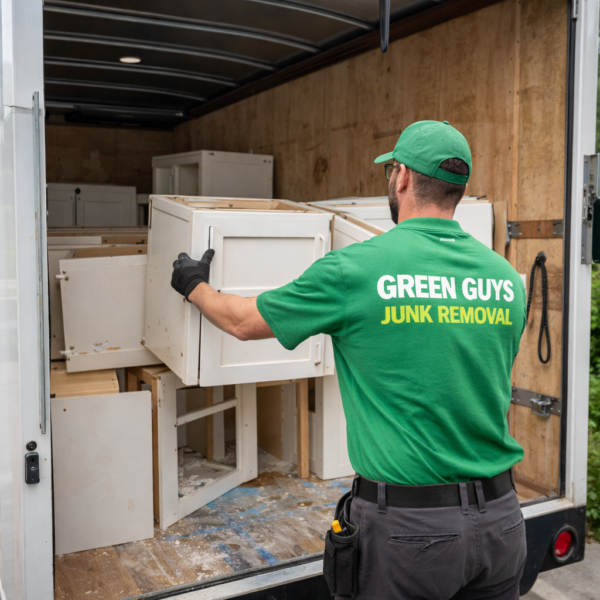
Important Donation Disclaimer
Donation guidelines can change based on an organization’s inventory, warehouse space, staffing, safety policies, seasonal needs, and service capacity.
Green Guys Junk Removal does not control the acceptance requirements, pickup schedules, fees, hours, or service areas of the organizations mentioned in this guide.
Unless explicitly stated otherwise, Green Guys Junk Removal is not affiliated with or endorsed by the organizations listed.
Always contact each organization directly or review its official website before transporting items, requesting pickup, or relying on its services.
This guide is provided for general informational purposes.
Last updated: August 2026