GARAGE CLEANOUTS SERVICE AREA’S WE SERVE
- ACWORTH, GA
- ALPHARETTA, GA
- ATLANTA, GA
- AVONDALE ESTATES, GA
- BERKELEY LAKE, GA
- BRASELTON, GA
- BROOKHAVEN, GA
- BUFORD, GA
- CHAMBLEE, GA
- CUMMING, GA
- DECATUR, GA
- DORAVILLE, GA
- DULUTH, GA
- DUNWOODY, GA
- EAST COBB, GA
- FLOWERY BRANCH, GA
- GAINESVILLE, GA
- GRAYSON, GA
- JOHNS CREEK, GA
- KENNESAW, GA
- LAWRENCEVILLE, GA
- LILBURN, GA
- MABLETON, GA
- MARIETTA, GA
- MILTON, GA
- NORCROSS, GA
- NORTH DECATUR, GA
- NORTH DRUID HILLS, GA
- OAKWOOD, GA
- PEACHTREE CORNERS, GA
- ROSWELL, GA
- SANDY SPRINGS, GA
- SMYRNA, GA
- SNELLVILLE, GA
- STONE MOUNTAIN, GA
- SUGAR HILL, GA
- SUWANEE, GA
- TUCKER, GA
- VINNINGS
- WOODSTOCK, GA
Professional Garage Cleanout Services In North Atlanta GA
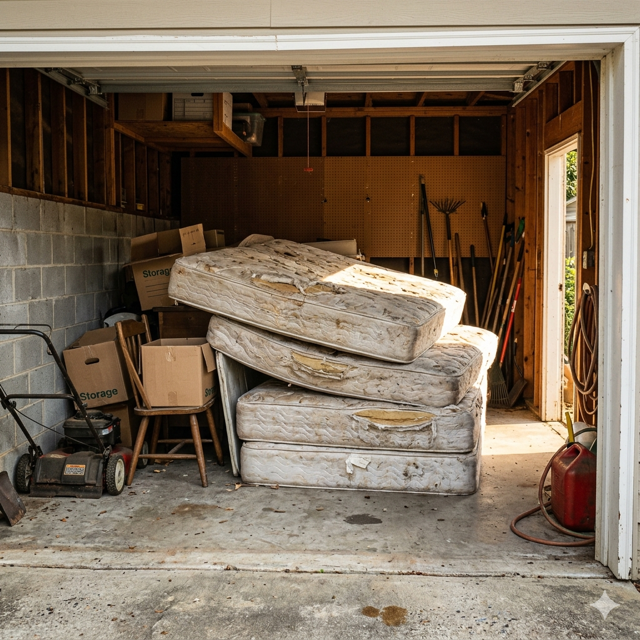
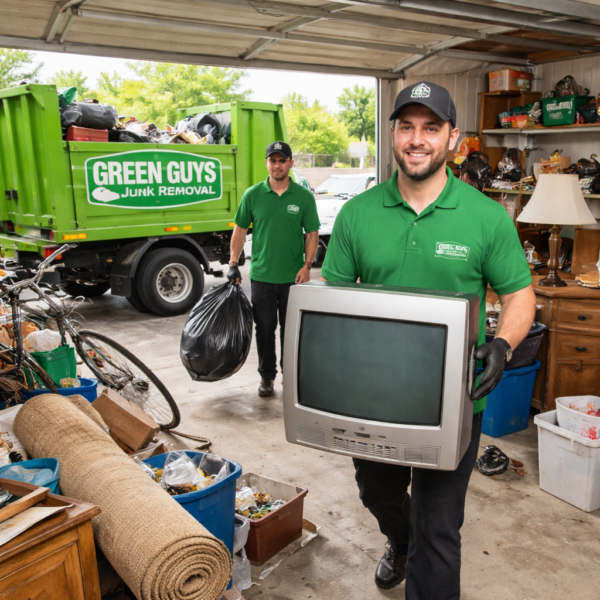
Green Guys Junk Removal provides dependable garage cleanout services in North Atlanta GA for homeowners, landlords, property managers, realtors, and families dealing with cluttered garages. Over time, garages often become storage areas filled with boxes, old furniture, appliances, broken tools, exercise equipment, and unwanted junk. Our team helps remove the stress by handling the entire cleanout process from start to finish. We do all the lifting, loading, hauling, and disposal so you do not have to worry about heavy items or multiple trips to the dump. Whether you are preparing for a move, downsizing, renovating, or simply trying to reclaim usable space, our crew works quickly and efficiently to clear out unwanted clutter. We proudly serve customers throughout North Atlanta with professional service, flexible scheduling, and affordable pricing designed to make garage cleanouts simple and hassle-free.
Full-Service Garage Junk Removal
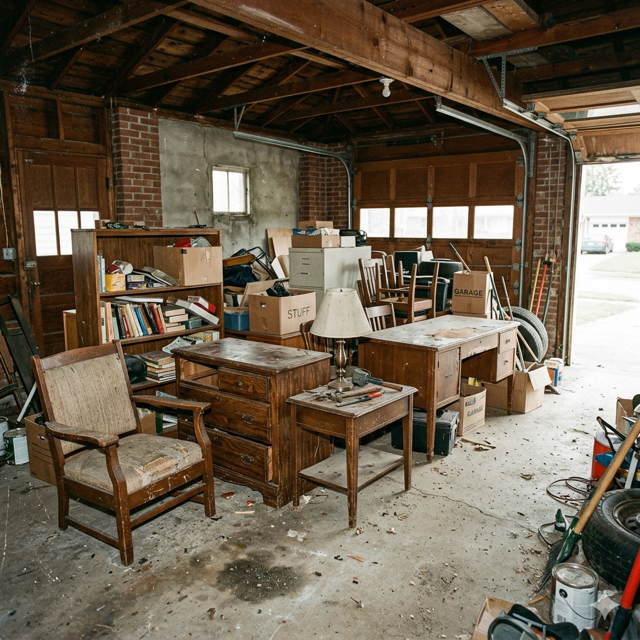
Our garage junk removal in North Atlanta GA is designed to handle nearly every type of non-hazardous junk commonly found inside garages and storage spaces. We remove unwanted furniture, shelving, appliances, mattresses, televisions, boxes, tools, tires, yard equipment, treadmills, exercise machines, and general debris quickly and safely. Many homeowners put off garage cleanouts because the project feels overwhelming, especially when heavy lifting is involved. Our experienced crew arrives prepared with the equipment and manpower needed to complete the job efficiently. Whether your garage has a few bulky items or years of accumulated clutter, we can help clear the space quickly. We provide junk removal services for homes, rental properties, estates, and investment properties throughout North Atlanta. Our goal is to help customers reclaim valuable garage space without the stress, labor, or disposal challenges involved with doing the work yourself.
Same Day Garage Cleanout Services
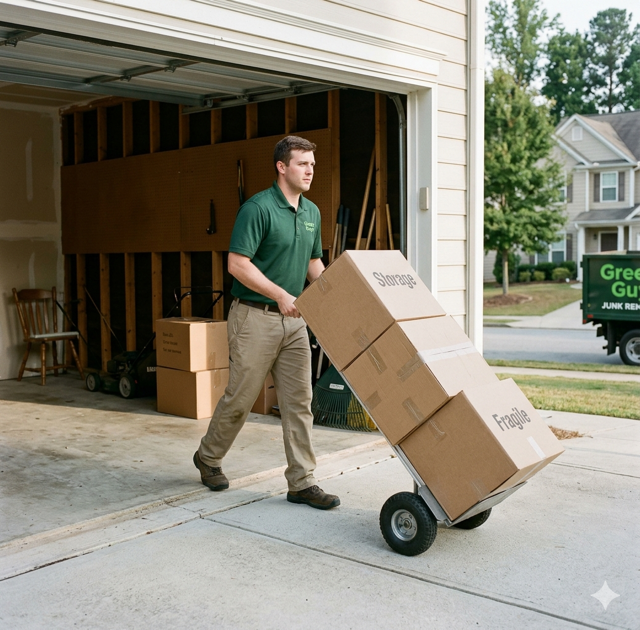
When you need fast junk removal, Green Guys Junk Removal offers same day garage cleanout in North Atlanta GA for urgent situations and last-minute cleanups. Garages often need to be cleared quickly before a move, home sale, renovation project, tenant turnover, or inspection. Our team understands that time matters, which is why we provide responsive scheduling and fast turnaround times throughout North Atlanta and surrounding areas. We handle everything from loading and hauling to disposal so customers can focus on more important tasks. Same day service is ideal for homeowners dealing with overwhelming clutter, realtors preparing properties for listing photos, and landlords needing quick rental cleanouts. We also offer flexible scheduling for evenings and weekends when available. Our crew works efficiently to minimize downtime and clear out unwanted junk as quickly as possible while maintaining professional service and attention to detail on every project.
Garage Cleanouts For Moving & Downsizing
Moving and downsizing often reveal years of unwanted clutter stored inside garages, attics, and storage areas. Our garage cleanout services near me in North Atlanta GA help homeowners and families remove unnecessary junk before relocating or simplifying their living space. We commonly assist customers preparing for home sales, estate transitions, retirement moves, and major life changes. Instead of spending days sorting and hauling junk yourself, our team handles the labor and disposal quickly and professionally. We remove old furniture, appliances, boxes, tools, shelving, exercise equipment, and general debris to help make the moving process easier and less stressful. Realtors and investors also rely on our garage cleanout services to prepare homes for listing or renovation. Whether you are moving across town or simply creating more space at home, our crew provides efficient junk removal solutions tailored to your timeline, property type, and cleanout needs.
Estate, Rental & Eviction Garage Cleanouts
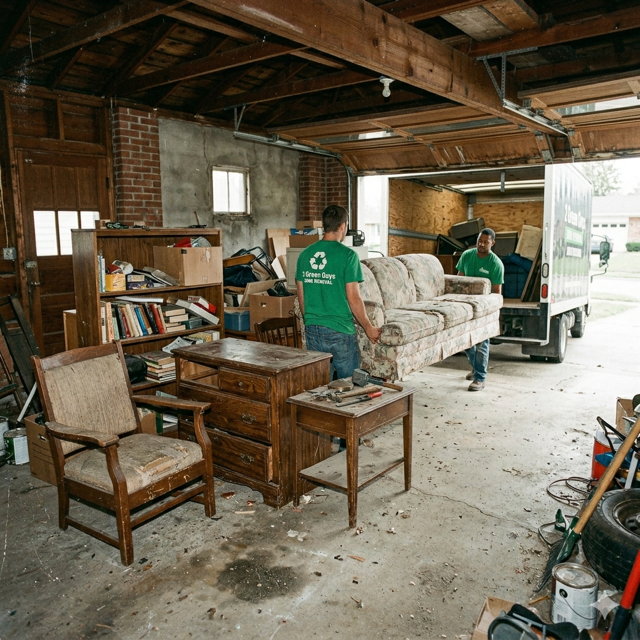
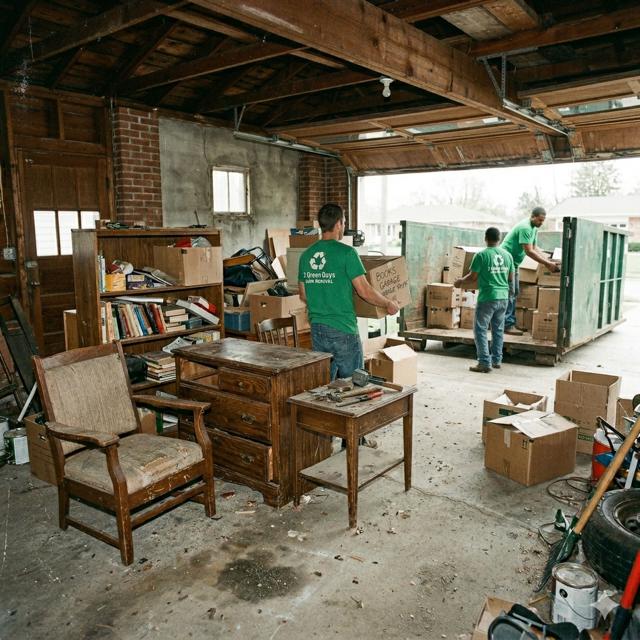
Green Guys Junk Removal provides garage cleanout services for estates, rental properties, foreclosure homes, and eviction situations throughout North Atlanta. Property managers, landlords, investors, and families often need fast cleanout services when dealing with abandoned belongings, tenant turnover, or inherited properties filled with clutter. Our team works quickly to remove furniture, appliances, trash, boxes, and unwanted junk from garages and storage spaces of all sizes. We understand that estate and eviction cleanouts can be stressful and time-sensitive, which is why we focus on efficient service and dependable scheduling. Our crew handles the heavy lifting and cleanup so property owners can prepare homes for new tenants, buyers, renovations, or inspections. Whether you are clearing out a single garage or an entire property, we provide professional garage junk removal in North Atlanta GA designed to help simplify difficult cleanout situations with reliable service and affordable pricing.
Eco-Friendly Garage Junk Removal
At Green Guys Junk Removal, we focus on responsible disposal practices whenever possible during every garage cleanout project. Many items removed from garages can often be recycled, donated, or repurposed instead of sent directly to landfills. Our garage cleanout services in North Atlanta GA include sorting materials to help reduce unnecessary waste and support eco-friendly disposal efforts. Furniture, appliances, tools, electronics, and household items in good condition may be donated to local organizations whenever appropriate. Recyclable materials are separated and disposed of properly to minimize environmental impact. Customers appreciate knowing their unwanted items are handled responsibly whenever possible. Our team remains committed to providing junk removal solutions that are both efficient and environmentally conscious. Whether you are clearing out a cluttered garage, estate property, or rental home, we aim to provide clean, professional service while helping reduce landfill waste throughout the North Atlanta area.
What We Remove From Garages
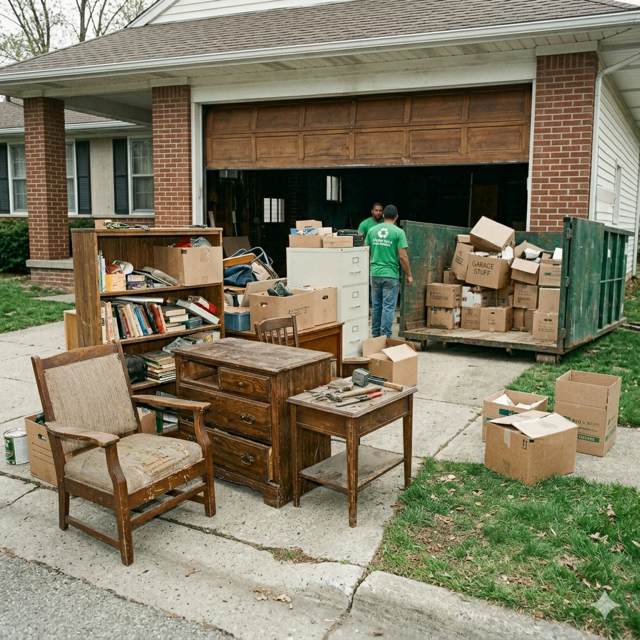
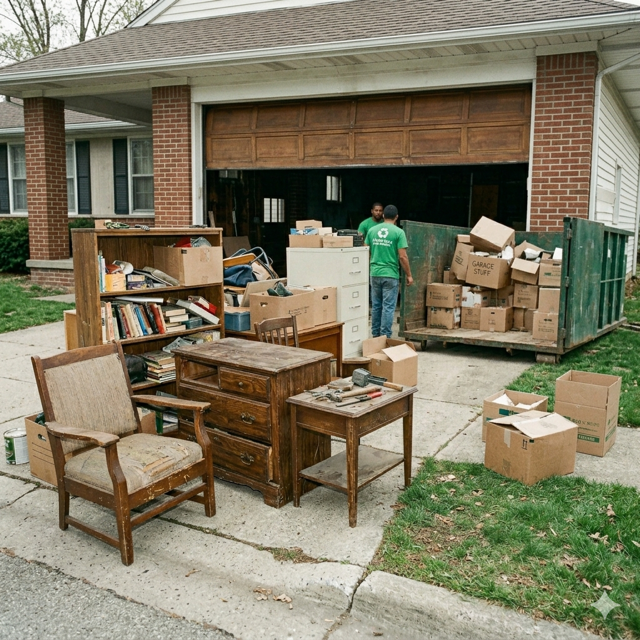
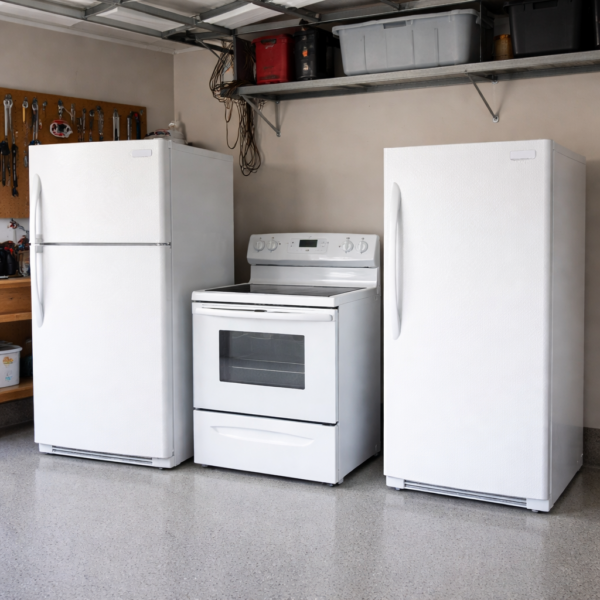
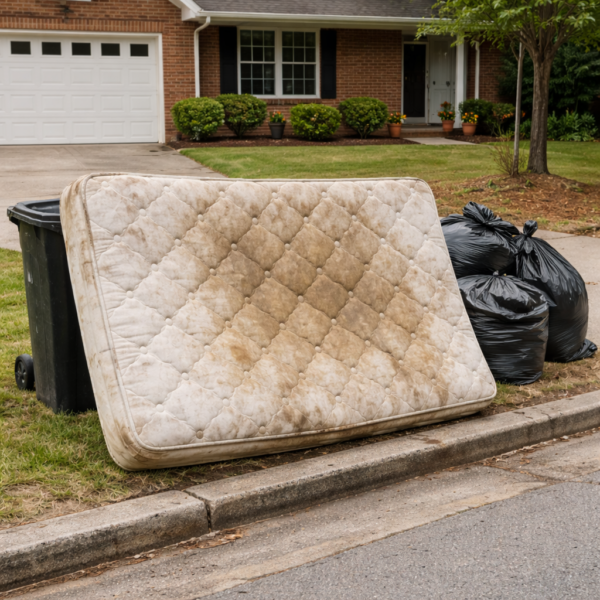
Our team removes a wide variety of items during garage cleanout projects throughout North Atlanta. Common items include old furniture, mattresses, appliances, refrigerators, freezers, washers, dryers, televisions, shelving, boxes, tools, lawn equipment, exercise machines, and construction debris. We also remove bulky items like treadmills, elliptical machines, hot tubs, tires, carpet, and unwanted household junk. Many garages become long-term storage areas filled with years of accumulated clutter that homeowners no longer use or need. Our garage junk removal company in North Atlanta GA helps customers clear out these spaces quickly and safely without the hassle of heavy lifting or multiple disposal trips. Whether your garage contains a few large items or is packed floor-to-ceiling with junk, our crew has the experience and equipment needed to complete the cleanout efficiently. We make the process simple, fast, and stress-free from beginning to end.
Why Choose Green Guys Junk Removal
Green Guys Junk Removal is trusted throughout North Atlanta for reliable service, affordable pricing, and professional garage cleanout solutions. Customers choose our company because we provide fast scheduling, dependable crews, and honest communication throughout the entire cleanout process. Our experienced team arrives on time, handles all labor and hauling, and ensures the area is cleaned before leaving the property. We understand that cluttered garages can create stress, safety hazards, and lost storage space, which is why we focus on making cleanouts as easy as possible for every customer. Whether you need a small junk pickup or a full garage cleanout, we provide customized solutions based on your needs and timeline. Our commitment to excellent customer service and efficient junk removal has helped us become a trusted choice for garage cleanout services in North Atlanta GA for homeowners, property managers, investors, and realtors alike.
Affordable Garage Cleanout Pricing
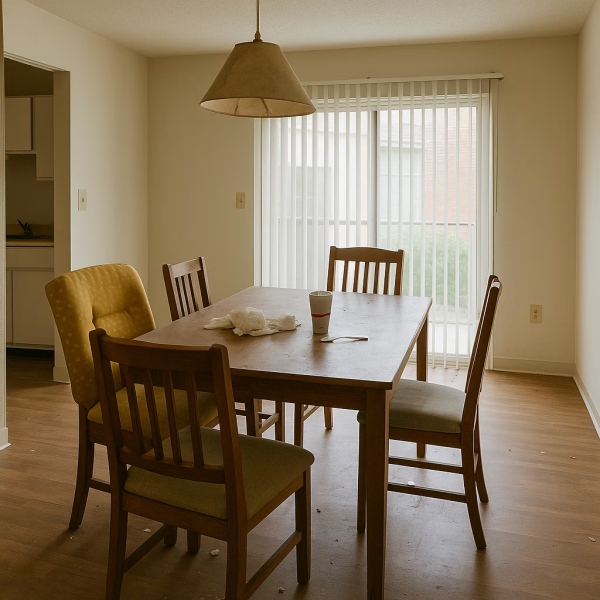
The cost of garage cleanout services depends on several factors including the amount of junk, accessibility, labor required, and disposal needs. At Green Guys Junk Removal, we provide upfront pricing with no hidden fees so customers know exactly what to expect before work begins. Our affordable garage cleanout in North Atlanta GA is designed to provide cost-effective solutions for projects of all sizes. Whether you need a few bulky items removed or an entire garage cleared out, we work to keep pricing fair and competitive. Customers appreciate our transparent estimates and flexible scheduling options throughout North Atlanta and nearby communities. We understand that garage cleanouts are often unexpected projects tied to moving, downsizing, or property transitions, which is why we focus on delivering value, fast service, and professional results. Our goal is to make garage junk removal simple, affordable, and stress-free for every customer.
Areas We Serve In North Atlanta GA
Green Guys Junk Removal proudly provides garage cleanout services in North Atlanta GA and surrounding communities throughout the metro area. We serve homeowners, landlords, realtors, investors, and property managers in Alpharetta, Roswell, Sandy Springs, Dunwoody, Johns Creek, Tucker, Peachtree Corners, Suwanee, Brookhaven, Chamblee, and nearby cities. Our team offers flexible scheduling and fast response times to help customers clear out cluttered garages quickly and efficiently. Whether you need same day junk removal, an estate cleanout, or help preparing a property for sale, our crew is ready to handle projects of all sizes. We understand the importance of dependable service and professional cleanup, especially during stressful moving or renovation situations. By providing reliable junk removal solutions across North Atlanta, we help customers reclaim garage space, improve property appearance, and eliminate unwanted clutter without the hassle of doing the work themselves.
Garage Cleanout Services Near North Atlanta GA
We provide professional Garage Cleanout Services in North Atlanta GA and surrounding areas throughout the metro area. Our team also serves homeowners in nearby cities including:
Other Junk Removal & Cleanouts Services We Offer Near You

Top 10 Neighborhoods in North Atlanta, GA
- Buckhead
- North Buckhead
- Chastain Park
- Brookhaven
- Sandy Springs
- Dunwoody
- Midtown Atlanta
- Garden Hills
- Peachtree Park
- Lenox
Top 5 Landmarks in North Atlanta, GA
Frequently Asked Questions About Garage Cleanout Services in North Atlanta, GA
❓ What do garage cleanout services in North Atlanta GA include?
Garage cleanout services in North Atlanta GA include removing unwanted junk such as furniture, appliances, boxes, shelving, tools, mattresses, and general debris. A professional garage junk removal company in North Atlanta GA handles all lifting, loading, hauling, and disposal. This helps homeowners quickly reclaim garage space without the stress of doing the work themselves.
❓ How much does a garage cleanout in North Atlanta GA cost?
The cost of an affordable garage cleanout in North Atlanta GA depends on the amount of junk, accessibility, and labor involved. Most garage cleanout services near me in North Atlanta GA provide upfront pricing after evaluating the project. Larger garages with bulky items or heavy debris may require additional labor and disposal costs.
❓ Do you offer same day garage cleanout in North Atlanta GA?
Yes, many companies provide same day garage cleanout in North Atlanta GA for urgent situations. This is ideal for homeowners moving, preparing for a home sale, or needing fast junk removal before renovations. Availability may vary depending on scheduling and project size.
❓ Is there 24 hour garage junk removal in North Atlanta GA available?
Some providers offer 24 hour garage junk removal in North Atlanta GA for emergency cleanouts and time-sensitive situations. This service is helpful for landlords, realtors, property managers, and investors needing quick turnaround times. Always contact the company directly to confirm emergency scheduling availability.
❓ What items are removed during garage junk removal in North Atlanta GA?
A typical garage junk removal in North Atlanta GA includes old furniture, appliances, televisions, treadmills, shelving, yard tools, boxes, mattresses, and general clutter. Many companies also remove bulky items and light construction debris. Hazardous materials may require special disposal arrangements.
❓ Do garage cleanout services in North Atlanta GA recycle or donate items?
Yes, many garage cleanout services in North Atlanta GA prioritize eco-friendly disposal practices whenever possible. Usable items are often donated to local charities, while recyclable materials are properly sorted. This helps reduce landfill waste while supporting the local community.
❓ How long does a garage cleanout for homes in North Atlanta GA take?
Most garage cleanout for homes in North Atlanta GA can be completed within a few hours depending on the size of the garage and amount of junk. Larger cleanouts or hoarder situations may take longer. Professional crews work efficiently to minimize disruption and complete the project quickly.
❓ Do you provide garage cleanouts for rental properties in North Atlanta GA?
Yes, garage cleanout services in North Atlanta GA are commonly used for rental properties, estate cleanouts, foreclosures, and eviction situations. Landlords, investors, and property managers rely on fast junk removal to prepare homes for new tenants or listings. Quick cleanout services help reduce vacancy time and improve property appearance.
❓ Do I need to prepare before a garage cleanout near me in North Atlanta GA?
No major preparation is needed before a garage cleanout near me in North Atlanta GA. Customers simply identify what items need to be removed, and the junk removal crew handles everything else. This makes the cleanout process simple, fast, and stress-free for homeowners and families.
❓ Why hire a garage junk removal company in North Atlanta GA instead of doing it yourself?
Hiring a garage junk removal company in North Atlanta GA saves time, labor, and disposal hassles. Professional crews handle heavy lifting, hauling, sorting, and proper disposal safely and efficiently. This allows homeowners to clear out cluttered garages quickly without the physical strain or multiple dump trips.
People Also Ask About Garage Cleanout Services in North Atlanta, GA
How much does a garage cleanout cost in North Atlanta, GA?
The cost of garage cleanout services in North Atlanta GA depends on the amount of junk, labor, and disposal required. Most affordable garage cleanout in North Atlanta GA companies provide upfront pricing after a quick estimate. Larger garages with bulky items may require additional labor and hauling.
Do you offer same day garage cleanout near me in North Atlanta, GA?
Yes, many providers offer same day garage cleanout in North Atlanta GA for urgent situations. This is helpful for moving, downsizing, preparing homes for sale, or handling last-minute cleanups. Scheduling availability may vary depending on demand.
Is there 24 hour garage junk removal in North Atlanta, GA available?
Some companies provide 24 hour garage junk removal in North Atlanta GA for emergency cleanouts and time-sensitive projects. This service is ideal for landlords, realtors, and property managers needing fast turnaround times. Always call ahead to confirm emergency scheduling.
How fast can garage cleanout services near me in North Atlanta, GA be completed?
Most garage cleanout services near me in North Atlanta GA can be completed within a few hours. Larger garages or heavily cluttered spaces may require additional time. Professional crews work quickly to clear out unwanted junk efficiently.
What items are removed during garage junk removal in North Atlanta, GA?
A typical garage junk removal in North Atlanta GA includes furniture, appliances, boxes, shelving, tools, treadmills, mattresses, and general debris. Many companies also remove old electronics and bulky household items. Hazardous materials may require special disposal procedures.
Do garage cleanout companies donate or recycle items?
Many garage junk removal companies in North Atlanta GA focus on eco-friendly disposal practices whenever possible. Usable items may be donated to local charities, while recyclable materials are sorted properly. This helps reduce landfill waste and supports local communities.
Can garage cleanout services help with estate or downsizing situations?
Yes, garage cleanout for homes in North Atlanta GA is commonly used during estate cleanouts, downsizing projects, and family transitions. Realtors and investors also use cleanout services to prepare properties for sale. Professional junk removal helps reduce stress during major life changes.
Do you provide garage cleanouts for rental properties in North Atlanta, GA?
Yes, garage cleanout services in North Atlanta GA are commonly used for rental homes, foreclosures, and eviction cleanouts. Property managers and landlords rely on quick junk removal to prepare homes for new tenants. Fast service helps minimize vacancy time and improve property appearance.
Do I need to prepare before a garage cleanout near me in North Atlanta, GA?
No preparation is required before a garage cleanout near me in North Atlanta GA. Simply point out the items you want removed, and the crew handles all lifting, loading, and hauling. This makes the cleanout process simple and stress-free.
Why hire a garage junk removal company instead of cleaning out the garage yourself?
Hiring a garage junk removal company in North Atlanta GA saves time, labor, and multiple disposal trips. Professional crews safely remove heavy items and handle disposal properly. This allows homeowners to clear out clutter quickly without the physical strain or hassle.
CONTACT FORM
OFFICE LOCATION

Green Guys Junk Removal, LLC
6063 Peachtree Parkway
Suite 101B
Peachtree Corners, GA 30092
Phone# 470-519-9151
OFFICE HOURS:
MONDAY: 24 HRS
TUESDAY: 24 HRS
WEDNESDAY: 24 HRS
THURSDAY: 24 HRS
FRIDAY: 24 HRS
SATURDAY: 24 HRS
SUNDAY: 24 HRS